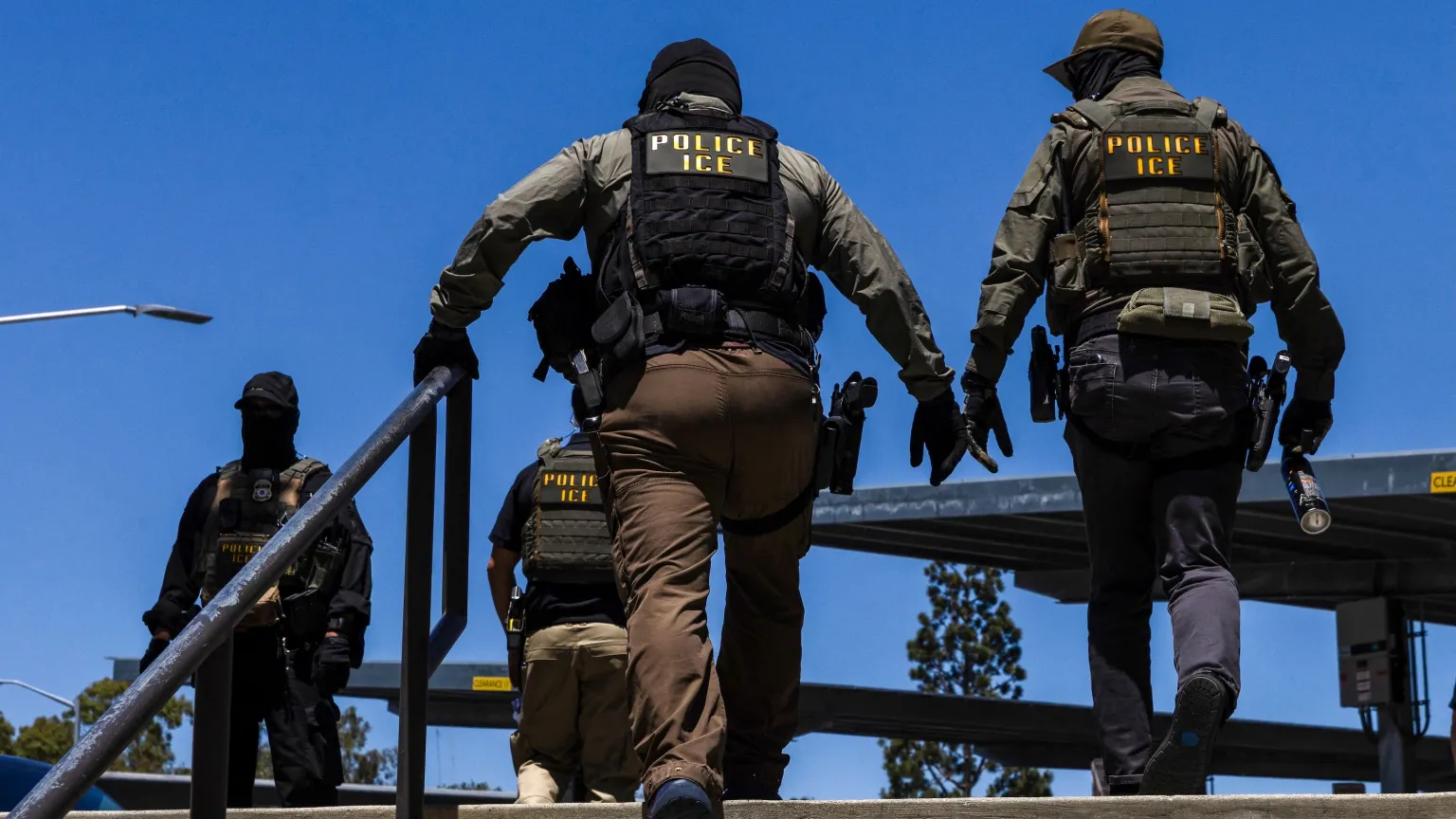
A federal appeals court has upheld an injunction restricting federal immigration authorities from conducting enforcement actions at specific houses of worship, dealing a setback to Trump administration policy changes.
Key Details of the Ruling
- Court Action: A unanimous three-judge panel of the 4th U.S. Circuit Court of Appeals affirmed a preliminary injunction previously issued by a U.S. District Court in Maryland.
- The Core Finding: The court ruled that allowing unannounced immigration arrests at houses of worship likely violates the Religious Freedom Restoration Act (RFRA) and the First Amendment, as it imposes a “substantial burden” on the plaintiffs’ free exercise of religion by causing a sharp decline in attendance at worship services and ministries.
- Scope: The decision specifically protects congregations represented as plaintiffs in the lawsuit—including approximately 1,400 Cooperative Baptist Fellowship (CBF) churches, Quaker congregations across several Mid-Atlantic and New England states, and the Sikh Temple of Sacramento. Other faith groups would need to seek independent legal relief to receive similar protections.
Background and Context
- Policy Rescission: In January 2025, the Department of Homeland Security (DHS) rescinded long-standing 2021 guidelines that designated houses of worship, schools, and hospitals as protected or “sensitive locations.” The administration granted officers broad discretion to conduct enforcement actions guided by “common sense.”
- Impact on Congregations: Faith leadership filed suit, documenting that fear of federal raids or surveillance deterred immigrant members from attending services, receiving aid, or participating in church community life.
- Surveillance Controversies: The decision coincides with separate legal motions filed by faith coalitions accusing federal agencies of violating existing court orders by conducting undercover surveillance inside houses of worship.
Current Legal Status
- Warrants Required: Under the court’s order, immigration authorities must revert to stricter guidelines for the plaintiff churches, requiring judicial or administrative warrants or explicit exigent circumstances before executing arrests on church property.
- Ongoing Litigation: Because the ruling leaves the preliminary injunction intact, the broader lawsuit regarding religious freedom and federal immigration authority will continue to proceed in federal court.